

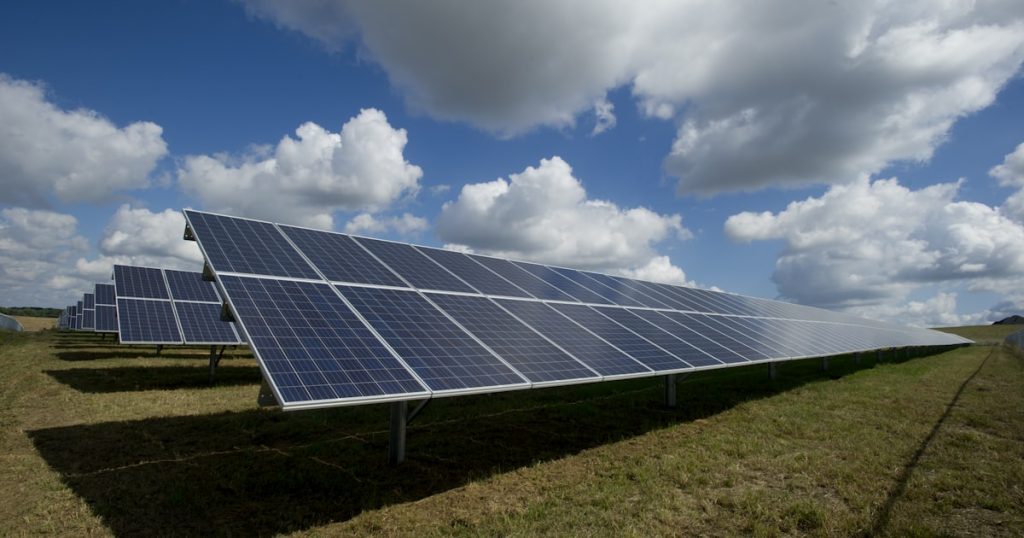
Across Latin America, solar energy is moving from a niche technology to a mainstream pillar of electricity generation with remarkable speed. The combination of exceptional solar resources — some of the highest irradiance levels anywhere on Earth — falling panel costs, competitive government auction programmes, and growing corporate renewable procurement has created the conditions for a continental solar boom. Chile, Brazil, and Mexico stand out as the leading markets, each with distinct characteristics, achievements, and challenges. Together, they are reshaping the region’s energy future.
Chile: The Atacama Advantage
Chile’s position as Latin America’s most advanced solar market rests on one extraordinary geographic fact: the Atacama Desert in northern Chile receives more solar irradiance than almost any other place on Earth. In locations around Antofagasta and Calama, annual irradiance exceeds 3,000 kWh per square metre — roughly double what you’d find in southern Germany and 50% more than the sunniest parts of Spain. This exceptional resource translates directly into economics: solar projects in northern Chile generate electricity more cheaply than virtually anywhere else in the world.
Chile’s installed solar capacity surpassed 18 GW in early 2026, up from near zero in 2013. Solar auction prices have fallen to levels below $20–$25/MWh, making new solar the cheapest form of generation available. The consequence is that during sunny midday hours, northern Chile’s grid is often overwhelmed with cheap solar power, driving wholesale prices to zero or even negative values. This “curtailment” problem — where solar is generated but cannot be used — has become Chile’s central energy challenge: not whether solar is cheap, but how to store and transport it.
Chile’s response has three components. First, major transmission investment is underway to move surplus northern solar electricity to central and southern Chile, where the population and industry are concentrated. Second, battery storage projects are being tendered and deployed to charge during solar surplus hours and discharge at night. Third, Chile is pursuing green hydrogen production using surplus solar electricity, positioning itself as a potential exporter of green hydrogen and synthetic fuels to Europe and Asia. The HIF Global Haru Oni plant in Patagonia, using wind rather than solar, is a pioneering demonstration project for this model.
Brazil: Scale and the Hydro Complement
Brazil’s solar story is one of extraordinary scale. The country’s installed solar capacity exceeded 50 GW in early 2026, making it one of the world’s top five solar markets. Brazil’s northeast — states including Bahia, Piauí, Ceará, and Rio Grande do Norte — has a combination of high solar irradiance and consistent trade winds that make it among the best renewable energy regions in the world. Competitive electricity auctions run by ANEEL (the electricity regulator) have attracted international developers and driven prices to record lows.
What makes Brazil’s solar build-out strategically coherent is its complementarity with the country’s dominant energy source: hydropower. Brazil generates approximately 65% of its electricity from hydro, but this resource is vulnerable to drought — as dramatically demonstrated during the 2021 energy crisis, when below-average rainfall across the Amazon and Paraná basins left reservoirs depleted and forced emergency measures including thermal generation and mandatory demand reduction. Solar and wind, which generate regardless of rainfall, provide crucial backup and reduce the grid’s drought vulnerability.
The northeast of Brazil generates electricity most prolifically in the dry season (typically May–November), when rainfall is low — precisely when hydro reservoirs face the most stress. This counter-cyclical relationship means that northeast solar and wind capacity acts as natural insurance for the hydro-dominated system. Grid planners and electricity traders have increasingly priced this complementarity into long-term procurement decisions. The IRENA has highlighted Brazil’s renewable mix as a model of resource diversity.
Brazil also has a unique bioenergy sector: the world’s second-largest sugarcane ethanol industry, which produces approximately 35 billion litres per year and supplies around 45% of the fuel used in the country’s flex-fuel vehicle fleet. Together, solar, wind, hydro, and bioenergy make Brazil one of the most renewable-intensive large economies in the world — a position that is being leveraged in climate diplomacy and trade policy discussions.
Mexico: Potential Constrained by Policy Uncertainty
Mexico presents the most complex picture of the three major Latin American solar markets. The country’s northern states — particularly Sonora, Chihuahua, Coahuila, and Baja California — have solar irradiance comparable to the best sites in Chile, and the Isthmus of Tehuantepec in Oaxaca is among the world’s premier wind sites. During 2015–2019, Mexico ran competitive clean energy auctions that produced some of the world’s lowest recorded electricity prices, attracting billions of dollars in investment from Spanish, Italian, French, and Japanese developers.
The policy environment then shifted significantly. The López Obrador government (2018–2024) moved to strengthen the state utility CFE and prioritise its legacy thermal generation in the dispatch order, effectively pushing cheaper renewable power to the back of the queue. Long-term contracts awarded in competitive auctions were contested by the government, creating legal disputes that alarmed international investors and cast doubt on Mexico’s investment climate for renewable energy.
The government that took office in October 2024 has signalled a more pragmatic approach. Industry representatives report renewed engagement and a willingness to honour existing contracts and create a clearer framework for new investment. The structural driver of renewable growth — the nearshoring boom, as manufacturers relocate supply chains from Asia to Mexico to serve the US market — is creating powerful demand-side pull. Multinational companies setting up factories in Mexico increasingly require renewable energy supply as a condition of their sustainability commitments, and this corporate pressure is stimulating new solar and wind development regardless of the federal policy environment.
Investment Trends and the Broader Region
Latin America attracted approximately $50 billion in clean energy investment in 2025, according to IEA estimates, with solar accounting for a growing majority. Development finance from the IDB, World Bank IFC, and European development banks has been important in smaller markets including Colombia, Peru, Ecuador, and Argentina’s renewable zones. Colombia has been diversifying from hydro into solar aggressively; Argentina’s northwest provinces of Salta and Jujuy offer world-class solar resources.
The outlook for Latin American solar through 2030 is strongly positive. Resource quality, falling costs, growing domestic electricity demand (driven by economic growth, electrification, and data centre expansion), and the corporate renewables procurement trend all point toward continued rapid deployment. The key risk factors are policy instability — which has been demonstrated in Mexico and remains a concern in other countries with less stable regulatory environments — and transmission and grid investment, which must keep pace with generation capacity additions. Keep up with the latest in global renewables and energy news across our site.


