

Carbon credits have emerged as one of the most significant and controversial mechanisms for addressing climate change and reducing greenhouse gas emissions. These tradeable permits represent reductions or removals of carbon dioxide or equivalent greenhouse gases, allowing organizations to offset emissions they cannot immediately eliminate. Understanding carbon credits—how they work, what they’re actually worth, why businesses buy them, and the debates surrounding their effectiveness—is essential for investors, policymakers, and anyone concerned about climate policy effectiveness.
The Fundamentals: What Are Carbon Credits?
A carbon credit represents one metric ton (or in some systems, one tonne) of carbon dioxide equivalent (CO2e) emissions reduction or removal. Credits are created through various mechanisms: reducing emissions below a baseline level, removing carbon dioxide from the atmosphere through carbon capture or sequestration, or eliminating emissions that would otherwise occur through alternative activities. Credits are tradeable commodities, meaning an organization that reduces emissions beyond regulatory requirements can sell excess credits to other organizations that find emissions reduction difficult or expensive.
Two primary systems exist: compliance carbon markets, which are mandated by government regulation (such as the EU’s Emissions Trading System), and voluntary carbon markets, where organizations voluntarily purchase credits to offset emissions or demonstrate climate commitment. Compliance markets are substantially larger and more liquid, while voluntary markets have grown dramatically in recent years as corporate climate commitments have increased.
The Compliance Carbon Market: Cap-and-Trade Systems
Compliance carbon markets operate through cap-and-trade mechanisms where governments set an overall emissions cap (limit) and allocate emission allowances (permits) to covered emitters. Over time, the cap declines, forcing emissions reductions. Organizations that exceed their allocation must purchase additional allowances from organizations that reduce below their allocation, creating a market mechanism for cost-effective emissions reduction.
The EU Emissions Trading System (ETS), the world’s largest compliance carbon market, covers approximately 10,000 power plants, industrial facilities, and aircraft operators across EU countries. The system requires these organizations to collectively reduce emissions by approximately 4% annually through 2030. In 2026, EU carbon allowance prices trade at approximately €80-95 per tonne, meaning organizations exceeding their allocation must pay €80-95 per tonne to purchase additional allowances. Conversely, organizations reducing below their allocation can sell excess allowances at these prices.
This pricing mechanism creates powerful incentives for emissions reduction. When carbon prices are high, investments in efficiency, fuel switching, or renewable energy adoption become economically attractive. When carbon prices are low, organizations have less incentive to pursue expensive emissions reduction. The price mechanism thus theoretically allocates emissions reduction efforts to the lowest-cost opportunities first, theoretically achieving cost-effective aggregate emissions reduction.
The Voluntary Carbon Market: Offsetting and Corporate Climate Commitments
The voluntary carbon market operates differently, without government mandate or enforcement. Organizations purchase voluntary carbon credits to offset emissions they cannot eliminate, to meet self-imposed climate targets, or to improve their sustainability profile and brand positioning. These credits come from diverse sources: renewable energy projects in developing countries, forest protection and reforestation, methane capture from landfills, agricultural practices reducing emissions, and increasingly, direct air capture and carbon sequestration technologies.
Voluntary carbon credits trade at vastly lower prices than compliance market allowances—typical prices range from $5-20 per tonne, with some credits trading for even lower amounts. This price difference reflects fundamental differences in market structure: compliance market allowances are scarce government-mandated assets with significant value, while voluntary carbon credits are supplies of various qualities from numerous sources without government mandates ensuring demand.
Corporate climate commitments—such as pledges to achieve net-zero emissions by 2050—have driven dramatic voluntary carbon market growth. Microsoft, Google, Amazon, and hundreds of other large corporations have committed to climate neutrality and offset emissions through voluntary carbon credit purchases. However, the exploding demand for credits has revealed serious quality control issues and concerns about whether purchased credits truly represent genuine emissions reductions.
Types of Carbon Offset Projects and Credit Quality Issues
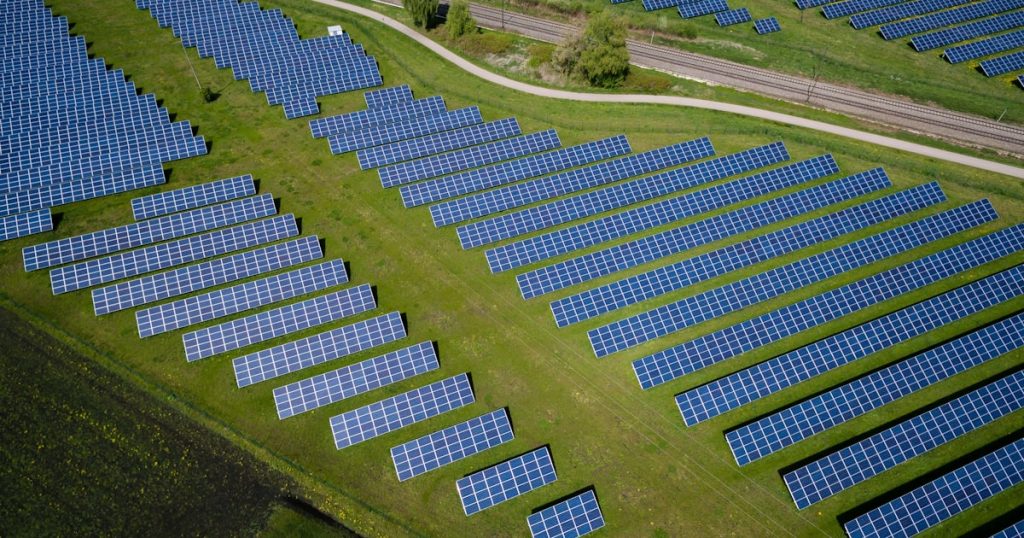
Carbon offset projects span diverse categories, each with distinct characteristics and reliability concerns. Renewable energy projects—wind farms, solar installations, or hydroelectric facilities in developing countries—generate credits by displacing fossil fuel-powered electricity generation. These projects are often straightforward and verifiable, but quality issues arise if: the project would have occurred anyway even without carbon credit revenue (additionality question), the baseline emissions assumption exaggerates displaced fossil fuel generation, or the project’s location is unclear regarding actual grid impacts.
Forest protection and reforestation projects generate credits by preventing deforestation (or restoring forest cover), sequestering carbon in biomass. These projects are attractive but fraught with verifiability challenges: satellite imagery can confirm forest area changes, but determining that deforestation would have occurred absent the project (additionality) is difficult, monitoring permanent carbon storage is complex (trees can be harvested or burned, releasing carbon), and land rights and community benefit questions complicate implementation.
Methane capture projects from landfills, agricultural operations, and coal mines generate credits by capturing methane before it enters the atmosphere. Methane is approximately 25 times more potent than CO2 on a century-scale greenhouse gas basis, so methane reduction has high carbon value. However, additionality questions arise: would operators have captured methane anyway due to regulations or economic returns? Are baseline methane emissions exaggerated to maximize credit generation?
Direct air capture and permanent sequestration technologies—still emerging and expensive—capture CO2 directly from the air and store it in geological formations or mineral form. These projects offer genuinely permanent carbon removal without additionality questions (removals are directly measurable), but costs remain high at approximately $250-600 per tonne captured, limiting scalability.
The Controversy: Are Carbon Credits Actually Effective?
Significant controversy surrounds voluntary carbon market credits’ effectiveness. Multiple investigations have revealed that substantial proportions of purchased credits do not represent genuine emissions reductions. One prominent analysis found that approximately 85% of rainforest conservation credits examined were unlikely to represent genuine avoided deforestation—meaning corporations purchasing these credits to offset emissions were not actually achieving emissions reductions. Instead, they were purchasing credits from projects that would likely have succeeded anyway, with carbon credit revenue simply enriching project developers rather than preventing emissions.
This additionality problem—the question of whether projects would have occurred without carbon credit revenue—plagues many carbon offset categories. When baseline emissions assumptions exaggerate avoided fossil fuel use, or when environmental goals would have been pursued regardless of carbon credit revenue, purchased credits generate minimal actual emissions reduction. Organizations buying credits to offset emissions effectively purchase nothing of climate value.
Additionally, some offset projects create perverse incentives. A methane capture facility that exaggerates baseline methane emissions can generate excessive credits and become profitable based on credit sales rather than actual emissions reduction value. A reforestation project in an area where trees would naturally regrow generates credit revenue for simply allowing natural processes to occur.
Carbon Credit Quality Standards and Emerging Solutions
Recognition of these issues has prompted development of higher quality carbon credit standards and verification mechanisms. Gold Standard, Verified Carbon Standard (VCS), and similar certification bodies apply rigorous methodologies to assess projects, verify additionality, and monitor actual emissions reductions. Credits from certified projects trade at premium prices (often $10-30 per tonne) compared to non-certified credits ($2-8 per tonne), reflecting quality differences.
Technology-based solutions are improving additionality verification. Satellite monitoring of forests can track land use changes and help verify avoided deforestation. Meter monitoring of methane emissions can verify actual capture. Technology enables more reliable verification of actual emissions reductions, though costs remain significant.
However, certification and monitoring cannot resolve fundamental additionality challenges when determining whether projects would have occurred anyway involves complex counterfactual analysis. A renewable energy project’s additionality depends on complex economic factors and policy environments that are difficult to definitively assess.
Compliance Market Allowances vs. Voluntary Offsets: A Critical Distinction
A crucial distinction exists between compliance market carbon allowances (such as EU ETS permits) and voluntary carbon offset credits. ETS allowances are genuinely scarce—regulators set a fixed cap and allocate finite allowances. These allowances have guaranteed value because covered organizations must purchase allowances to operate legally. This guarantee enables ETS allowances to serve as functional emissions reduction instruments.
Voluntary offsets lack this mandate and guaranteed value. Without regulations requiring emissions reduction, organizations can simply ignore climate concerns and avoid purchasing offsets. This optional nature means offsets lack the functional certainty of compliance allowances. Additionally, offsets are vastly more variable in quality—an ETS allowance represents verified emissions reduction from a covered facility in a monitored system; an offset could represent claimed avoided deforestation from a project where additionality is uncertain and monitoring minimal.
Practical Use Cases: Where Carbon Credits Make Sense
Carbon credits serve important functions in specific contexts. In compliance markets, ETS allowances drive genuine emissions reduction in power generation and industry. Organizations constrained by regulatory emissions caps can cost-effectively invest in emissions reduction and sell excess allowances if they reduce below their allocation. This mechanism has demonstrably reduced EU emissions and driven investment in renewable energy and efficiency.
In voluntary markets, carbon credits serve legitimate functions for organizations that have already aggressively reduced direct emissions and seek to address residual emissions. Microsoft, having already invested substantially in renewable energy and efficiency, purchases high-quality carbon credits to offset remaining emissions. However, the purchasing organization must recognize that offsets should supplement, not substitute for, direct emissions reduction efforts.
Carbon credits also support climate-relevant projects in developing countries that lack capital for renewable energy or forest protection projects. Revenue from carbon credit sales can fund wind farms, solar systems, or forest protection activities that would not otherwise be economically viable. This can deliver genuine climate benefits while generating co-benefits such as local employment and improved air quality.
The Future of Carbon Markets: Reform and Evolution
Global carbon market evolution continues through Article 6 of the Paris Agreement, which establishes frameworks for international carbon credit trading. This could potentially enable developing countries to more readily monetize emissions reduction projects through international carbon markets, potentially generating capital flows supporting climate action in developing nations.
However, significant design questions remain unresolved. How will additionality be assessed internationally? How will double-counting be prevented (where the same emissions reduction is credited to both buyer and seller)? How will different carbon credit quality standards be harmonized internationally? How will indigenous and community land rights be protected in offset projects? These questions will substantially determine whether international carbon markets support genuine climate progress or mainly create opportunities for emissions reduction claims without corresponding environmental benefit.
For investment and policy analysis of emerging carbon markets, explore our carbon credits and ESG investment opportunities.
Conclusion
Carbon credits represent a market-based approach to incentivizing emissions reduction, with genuine value in compliance markets like the EU ETS where government mandates ensure demand and quality standards. However, voluntary carbon markets face serious effectiveness questions due to additionality and verification challenges. Organizations purchasing voluntary offsets should prioritize high-quality, certified credits from projects with verified additionality and reliable monitoring. More fundamentally, carbon credits should supplement, not substitute for, direct emissions reduction efforts. While carbon markets have important roles to play in climate strategy, they function most effectively when embedded in broader policy frameworks that drive real emissions reductions rather than serving as low-effort alternatives to substantive climate action. Evaluating carbon credit investments and purchases requires rigorous assessment of actual vs. claimed emissions impacts and recognition that not all carbon credits represent genuine climate benefit.


