



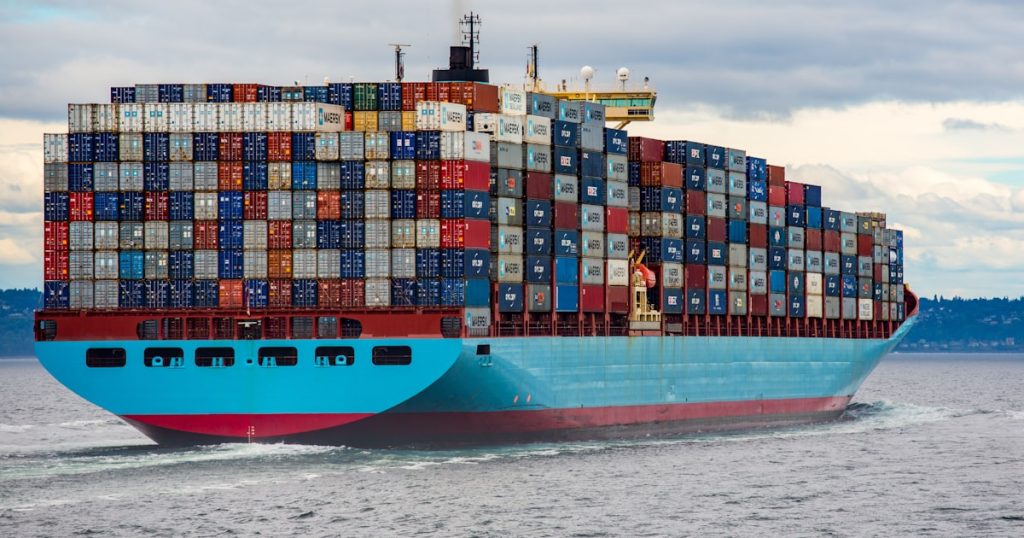
India is on track to become one of the world’s fastest-growing markets for liquefied natural gas (LNG), with imports expected to reach 29 million metric tonnes in 2026 — a significant leap from the approximately 25.5 million metric tonnes imported in 2025. As the country races to meet surging industrial demand, reduce air pollution, and diversify its energy mix, natural gas is emerging as a critical bridge fuel for Asia’s third-largest economy.
What Is Driving India’s LNG Demand?
India’s growing appetite for LNG is being driven by a convergence of policy ambition, industrial expansion, and energy security concerns. The government has set an ambitious target of raising natural gas’s share in India’s primary energy mix from around 6% today to 15% by 2030 — a goal that would require importing well over 100 million metric tonnes per year of LNG if domestic production fails to fill the gap.
According to the International Energy Agency’s India Gas Market Report, the country’s natural gas demand is set to grow by 60% by 2030, making it one of the most important LNG growth markets in the world. Industrial sectors — including steel, fertilisers, petrochemicals, and refining — are the main demand drivers, as companies seek cleaner alternatives to coal and fuel oil.
City gas distribution (CGD) networks are expanding rapidly, bringing piped gas to homes and compressed natural gas (CNG) to vehicles in hundreds of new cities. The Indian government has been aggressively investing in gas pipeline infrastructure, with new east-coast pipeline corridors designed to unlock demand from states that have historically had limited access to natural gas.
LNG Import Capacity Expansion
India currently operates several major LNG import terminals, including Dahej and Hazira on the west coast — both operated by Petronet LNG, the country’s largest gas importer. But it is the east coast that is seeing the most significant new investment. A pipeline build-out connecting east-coast terminals to interior gas markets is expected to help unlock substantial new demand from industrial clusters and power plants in Odisha, Andhra Pradesh, and Tamil Nadu.
Petronet LNG’s chief executive has publicly stated that India’s LNG imports could rise to 29 million metric tonnes in 2026, supported by new terminal capacity and stronger industrial uptake. The country is also in talks with multiple global LNG suppliers — including from the United States, Qatar, and Australia — to secure long-term supply contracts that reduce exposure to volatile spot markets.
South Asia more broadly is betting on LNG as a growth fuel, with India leading an estimated 110 million metric tonne import surge across the region over the coming decade, according to energy analysts tracking Asian LNG flows.
The Pricing Challenge: Henry Hub Exposure
One of the most significant challenges for India’s gas buyers in 2026 is the pricing structure of their import portfolio. A growing share of India’s long-term LNG contracts are linked to the US benchmark Henry Hub price — and as the volume of these mid-term deals has increased, India’s importers have lost some of the flexibility to capture cheaper spot cargoes that prevailed in 2023 and early 2024.
India’s average LNG import cost could rise in 2026, even as global spot LNG prices have moderated, because more of the country’s import portfolio is now committed under fixed or formula-linked term deals rather than flexible spot purchases. This is a double-edged sword: while it provides supply certainty, it means Indian buyers may pay above-market rates during periods of global LNG oversupply.
That said, the long-term pricing outlook for LNG buyers globally is becoming more favourable. A wave of new liquefaction capacity — from the United States, Qatar, and East Africa — is expected to come online between 2026 and 2028, which analysts project will push spot LNG prices toward a more sustainable range of around $6 per MMBtu by the late 2020s. For India, which is highly price-sensitive, this longer-term price moderation is seen as essential for enabling broader gas penetration. You can read more about the global gas market in our gas prices coverage.
Gas in India’s Power Sector
Gas-fired power generation in India remains relatively modest compared with coal — the country still relies on coal for around 70% of its electricity generation. But there is growing pressure to use natural gas more actively in the power sector, both to provide flexible backup capacity for intermittent solar and wind generation, and to reduce the emissions intensity of the electricity mix.
The challenge is one of economics: India’s gas-fired power plants are often stranded because domestic gas prices and LNG import costs make gas-based generation significantly more expensive than coal. Without either cheaper LNG or a carbon pricing mechanism that penalises coal, many gas plants continue to run well below capacity. However, as India’s installed solar and wind capacity expands rapidly, the need for flexible, dispatchable power — which gas can provide — is expected to grow.
The country’s broader energy transition is one to watch closely. India’s renewables sector is booming, with solar capacity additions accelerating and offshore wind development beginning to take shape. How gas fits into this transition — as a bridge fuel, a balancing tool, or ultimately a stranded asset — will be one of the defining energy policy questions of this decade. Our renewables coverage tracks these developments in detail.
Geopolitics and Supply Diversification
India’s LNG procurement strategy reflects a broader geopolitical imperative: supply diversification. The country has historically imported heavily from Qatar under long-term contracts, but is actively seeking to diversify its supply base to include more US, Australian, and African LNG. This mirrors the diversification drive seen in Europe following the Russia-Ukraine conflict, as buyers globally seek to avoid dependence on single suppliers.
US LNG has become an increasingly attractive option for Indian buyers, particularly as American export capacity expands. The US set a record in 2025 by exporting over 111 million metric tonnes of LNG — becoming the first country to cross the 100-million-tonne threshold in a single year — and further capacity additions are planned through the end of the decade. For India, American LNG offers both supply diversity and the prospect of competitive Henry Hub-linked pricing over the longer term.
Relations between India and key LNG suppliers are generally positive, but India’s buyers are acutely aware of the risks of over-reliance on any single source. A long-term supply disruption — whether from geopolitical events, extreme weather, or infrastructure failures — could have severe consequences for India’s industrial base and urban gas consumers.
What This Means for Global LNG Markets
India’s import growth is a critical factor in global LNG market balancing. Together with demand growth in Southeast Asia, South Asia, and parts of Africa, India’s expanding appetite helps absorb the significant new LNG supply volumes expected to enter the market from 2026 onwards.
The International Energy Agency has consistently highlighted Asia’s role as the primary driver of global gas demand growth over the coming decade. If India successfully executes its gas market expansion plans — building pipelines, adding terminal capacity, and incentivising industrial switching — it will become one of the world’s three largest LNG importers alongside China and Japan by the early 2030s.
For energy market watchers and analysts, India represents one of the most significant long-term growth stories in the global gas market. The country’s scale, its policy ambition, and the sheer size of the infrastructure investment required all point to a sustained period of growth that will shape LNG trade flows for decades to come. Our energy news section covers the latest developments across global gas markets.
This article is for informational purposes only and does not constitute financial or investment advice. Always consult a qualified financial adviser before making investment decisions.
India is on track to become one of the world’s fastest-growing markets for liquefied natural gas (LNG), with imports expected to reach 29 million metric tonnes in 2026 — a significant leap from the approximately 25.5 million metric tonnes imported in 2025. As the country races to meet surging industrial demand, reduce air pollution, and diversify its energy mix, natural gas is emerging as a critical bridge fuel for Asia’s third-largest economy.
What Is Driving India’s LNG Demand?
India’s growing appetite for LNG is being driven by a convergence of policy ambition, industrial expansion, and energy security concerns. The government has set an ambitious target of raising natural gas’s share in India’s primary energy mix from around 6% today to 15% by 2030 — a goal that would require importing well over 100 million metric tonnes per year of LNG if domestic production fails to fill the gap.
According to the International Energy Agency’s India Gas Market Report, the country’s natural gas demand is set to grow by 60% by 2030, making it one of the most important LNG growth markets in the world. Industrial sectors — including steel, fertilisers, petrochemicals, and refining — are the main demand drivers, as companies seek cleaner alternatives to coal and fuel oil.
City gas distribution (CGD) networks are expanding rapidly, bringing piped gas to homes and compressed natural gas (CNG) to vehicles in hundreds of new cities. The Indian government has been aggressively investing in gas pipeline infrastructure, with new east-coast pipeline corridors designed to unlock demand from states that have historically had limited access to natural gas.
LNG Import Capacity Expansion
India currently operates several major LNG import terminals, including Dahej and Hazira on the west coast — both operated by Petronet LNG, the country’s largest gas importer. But it is the east coast that is seeing the most significant new investment. A pipeline build-out connecting east-coast terminals to interior gas markets is expected to help unlock substantial new demand from industrial clusters and power plants in Odisha, Andhra Pradesh, and Tamil Nadu.
Petronet LNG’s chief executive has publicly stated that India’s LNG imports could rise to 29 million metric tonnes in 2026, supported by new terminal capacity and stronger industrial uptake. The country is also in talks with multiple global LNG suppliers — including from the United States, Qatar, and Australia — to secure long-term supply contracts that reduce exposure to volatile spot markets.
South Asia more broadly is betting on LNG as a growth fuel, with India leading an estimated 110 million metric tonne import surge across the region over the coming decade, according to energy analysts tracking Asian LNG flows.
The Pricing Challenge: Henry Hub Exposure
One of the most significant challenges for India’s gas buyers in 2026 is the pricing structure of their import portfolio. A growing share of India’s long-term LNG contracts are linked to the US benchmark Henry Hub price — and as the volume of these mid-term deals has increased, India’s importers have lost some of the flexibility to capture cheaper spot cargoes that prevailed in 2023 and early 2024.
India’s average LNG import cost could rise in 2026, even as global spot LNG prices have moderated, because more of the country’s import portfolio is now committed under fixed or formula-linked term deals rather than flexible spot purchases. This is a double-edged sword: while it provides supply certainty, it means Indian buyers may pay above-market rates during periods of global LNG oversupply.
That said, the long-term pricing outlook for LNG buyers globally is becoming more favourable. A wave of new liquefaction capacity — from the United States, Qatar, and East Africa — is expected to come online between 2026 and 2028, which analysts project will push spot LNG prices toward a more sustainable range of around $6 per MMBtu by the late 2020s. For India, which is highly price-sensitive, this longer-term price moderation is seen as essential for enabling broader gas penetration. You can read more about the global gas market in our gas prices coverage.
Gas in India’s Power Sector
Gas-fired power generation in India remains relatively modest compared with coal — the country still relies on coal for around 70% of its electricity generation. But there is growing pressure to use natural gas more actively in the power sector, both to provide flexible backup capacity for intermittent solar and wind generation, and to reduce the emissions intensity of the electricity mix.
The challenge is one of economics: India’s gas-fired power plants are often stranded because domestic gas prices and LNG import costs make gas-based generation significantly more expensive than coal. Without either cheaper LNG or a carbon pricing mechanism that penalises coal, many gas plants continue to run well below capacity. However, as India’s installed solar and wind capacity expands rapidly, the need for flexible, dispatchable power — which gas can provide — is expected to grow.
The country’s broader energy transition is one to watch closely. India’s renewables sector is booming, with solar capacity additions accelerating and offshore wind development beginning to take shape. How gas fits into this transition — as a bridge fuel, a balancing tool, or ultimately a stranded asset — will be one of the defining energy policy questions of this decade. Our renewables coverage tracks these developments in detail.
Geopolitics and Supply Diversification
India’s LNG procurement strategy reflects a broader geopolitical imperative: supply diversification. The country has historically imported heavily from Qatar under long-term contracts, but is actively seeking to diversify its supply base to include more US, Australian, and African LNG. This mirrors the diversification drive seen in Europe following the Russia-Ukraine conflict, as buyers globally seek to avoid dependence on single suppliers.
US LNG has become an increasingly attractive option for Indian buyers, particularly as American export capacity expands. The US set a record in 2025 by exporting over 111 million metric tonnes of LNG — becoming the first country to cross the 100-million-tonne threshold in a single year — and further capacity additions are planned through the end of the decade. For India, American LNG offers both supply diversity and the prospect of competitive Henry Hub-linked pricing over the longer term.
Relations between India and key LNG suppliers are generally positive, but India’s buyers are acutely aware of the risks of over-reliance on any single source. A long-term supply disruption — whether from geopolitical events, extreme weather, or infrastructure failures — could have severe consequences for India’s industrial base and urban gas consumers.
What This Means for Global LNG Markets
India’s import growth is a critical factor in global LNG market balancing. Together with demand growth in Southeast Asia, South Asia, and parts of Africa, India’s expanding appetite helps absorb the significant new LNG supply volumes expected to enter the market from 2026 onwards.
The International Energy Agency has consistently highlighted Asia’s role as the primary driver of global gas demand growth over the coming decade. If India successfully executes its gas market expansion plans — building pipelines, adding terminal capacity, and incentivising industrial switching — it will become one of the world’s three largest LNG importers alongside China and Japan by the early 2030s.
For energy market watchers and analysts, India represents one of the most significant long-term growth stories in the global gas market. The country’s scale, its policy ambition, and the sheer size of the infrastructure investment required all point to a sustained period of growth that will shape LNG trade flows for decades to come. Our energy news section covers the latest developments across global gas markets.
This article is for informational purposes only and does not constitute financial or investment advice. Always consult a qualified financial adviser before making investment decisions.


