


Solar panel installation has transitioned from a niche luxury purchase to a mainstream home improvement that millions of UK homeowners seriously consider. With installation costs falling steadily over the past decade and government support schemes providing financial incentives, 2026 represents a pivotal moment for household solar adoption. This comprehensive guide examines current solar costs, realistic savings projections, payback timelines, and the factors that determine whether installation makes financial sense for your specific situation.
The Dramatic Fall in Solar Panel Costs
The most significant driver of solar adoption has been the unprecedented decline in installation costs. In 2010, a typical 4kW residential solar system cost £15,000-£20,000 to install. By 2020, this had fallen to £6,000-£8,000. As of 2026, a comparable system costs just £3,500-£5,000 installed, representing a 75% cost reduction in 15 years. This decline reflects several factors: manufacturing economies of scale, fierce competition among installers, improved installation techniques, and more efficient panel designs.
These figures typically represent the cost after accounting for available grants. The Government’s Boiler Upgrade Scheme provides funding for renewable heating solutions, while several other programs support solar installations. For detailed information on current incentives and potential funding sources, visit IRENA’s database of renewable energy policies, which catalogs support programs across countries including the UK.
Understanding Solar System Components and Costs
A typical residential solar installation comprises several components, each contributing to the total cost. Solar panels themselves—modern monocrystalline panels with 400-500W capacity—now cost approximately £500-£700 per kilowatt of capacity installed. An inverter, which converts DC electricity from panels to AC current for household use, costs £1,000-£2,500 depending on sophistication and capacity. Installation labor, including roof assessment, electrical connections, and testing, typically accounts for 30-40% of total cost.
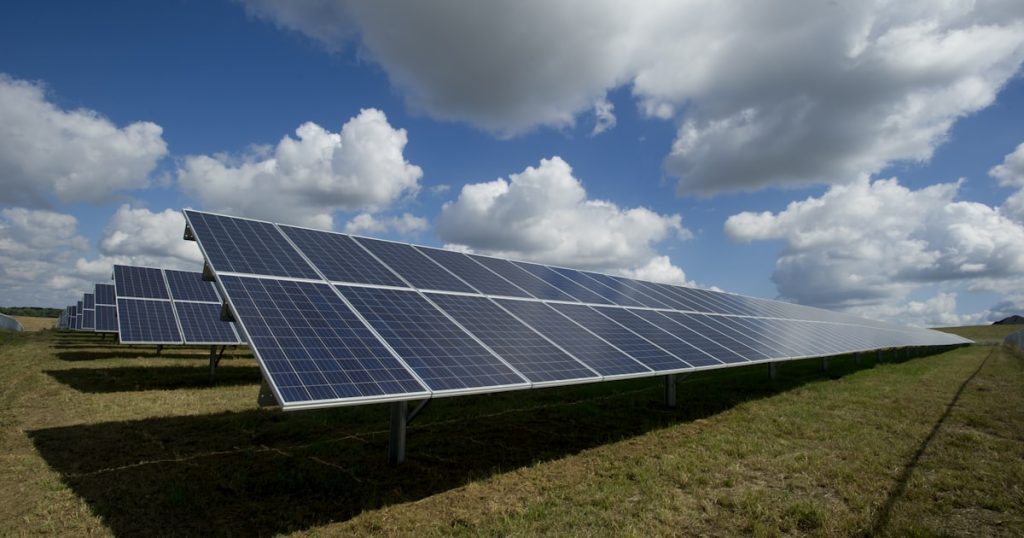
A standard 4kW system (approximately 8-10 solar panels) costs £3,500-£5,000 installed in 2026. An 6kW system, suitable for larger households with higher electricity consumption, costs £5,500-£7,500. These prices assume a straightforward roof installation on a southfacing roof without complications. Additional costs may apply if roof repairs are necessary, if the roof requires reinforcement, or if more complex electrical work is required.
Beyond the basic system, battery storage has become increasingly attractive as an optional addition. A 5-10 kWh battery system costs £3,000-£5,000 installed and allows you to store solar generation for use during evening hours or cloudy days. While batteries increase upfront costs significantly, they maximize self-consumption of solar generation and provide backup power during grid outages. For many households, batteries represent an investment to evaluate separately based on personal priorities regarding energy independence and resilience.
Estimating Annual Savings from Solar Installation
The financial benefit of solar panels depends on your electricity consumption, the efficiency of your installation, and your current electricity tariff. A typical 4kW system in the UK generates approximately 3,200-3,600 kWh of electricity annually, depending on your location and roof orientation. In southern England, output is typically 15% higher; in Scotland or northern England, 10-15% lower.
How much you save depends on how much of this generation you use directly versus exporting to the grid. Homes with high daytime electricity consumption—such as those with electric vehicles charging during the day, heat pumps running in winter, or remote workers with office equipment—achieve the highest savings. These households might achieve 50-70% self-consumption, meaning 50-70% of solar generation is used onsite and avoids purchasing electricity, while the remaining 30-50% is exported to the grid.
If your 4kW system generates 3,500 kWh annually and you achieve 60% self-consumption, you directly consume 2,100 kWh. At current electricity rates of approximately 24-26 pence per kWh under the price cap, this represents annual savings of £504-£546. The remaining 1,400 kWh exported to the grid typically earns export credit at 15-20 pence per kWh (depending on your tariff), representing an additional £210-£280 in annual value. Total annual savings would thus be approximately £714-£826.
Households with lower daytime consumption and primarily evening usage achieve lower savings. A household that uses only 30% of solar generation onsite might save only £300-£400 annually. Battery storage can increase self-consumption rates to 70-80%, increasing savings to approximately £900-£1,000 annually, but this must be evaluated against the £3,000-£5,000 additional battery cost.
Payback Period and Return on Investment
Based on realistic savings of £700-£900 annually and installation costs of £3,500-£5,000, an unsubsidized solar system achieves payback in 5-7 years. This means that after 5-7 years of operation, the cumulative savings equal the upfront installation cost. Following payback, the system continues generating free electricity for its remaining 20-25 year lifespan, delivering an additional 13-20 years of pure savings.
For a system installed at age 40-50, this represents genuine long-term wealth creation and financial benefit that compounds throughout retirement. For a younger householder planning to remain in the property for 20+ years, solar installation delivers compelling financial returns on par with or exceeding other household investments.
Government grants can significantly improve returns. If you qualify for £2,000-£3,000 in grants, net installation cost falls to £1,500-£2,500, reducing payback to 2-3 years. Such favorable returns mean that qualifying for available grants becomes essential before making installation decisions. Research what programs you may qualify for through your local council, energy supplier, or the government’s Clean Energy Support scheme.
Factors Determining Whether Solar Makes Sense for Your Home
Several factors determine whether solar installation delivers adequate financial returns for your specific situation. First, roof condition and orientation matter significantly. South-facing roofs in full sun deliver approximately 20-30% more generation than east or west-facing roofs, and substantially more than north-facing roofs. Roofs with significant shading from trees or buildings have dramatically reduced output. A professional solar survey can quantify your specific roof’s potential, but general rules suggest that south-facing, unshaded roofs deliver the best returns.
Second, your electricity consumption and usage pattern matters. High consumption households benefit more from solar because they have more electricity to offset. Households with substantial daytime consumption (from home offices, electric vehicles, heat pumps, or simply high-consumption families) achieve faster payback than those with consumption concentrated in evenings and mornings.
Third, your current electricity tariff and expectations about future price changes influence returns. Since 2020, electricity prices have risen dramatically, and while they’ve moderated from peaks, they remain significantly above 2015-2019 levels. If you expect prices to continue rising (which seems probable given energy transition costs), solar becomes increasingly attractive because it locks in your electricity generation at today’s installation prices, insulating you from future price increases.
Fourth, your time horizon in the property matters. For those planning to sell within 5 years, solar installation’s long-term financial benefit may not materialize before relocation. For homeowners remaining 10+ years, solar becomes increasingly attractive. Increasingly, home buyers value solar installations as they understand the long-term savings benefits, meaning homes with solar often sell at premiums exceeding the net cost of the system, but this is not guaranteed.
Practical Considerations Beyond Cost and Savings
Beyond financial calculations, several practical factors influence solar decisions. First, your electricity supplier must accept exported electricity and credit it appropriately. Most major suppliers now offer favorable export tariffs (paying 15-20 pence per kWh for exported electricity), but verify your supplier’s policy before installation. Some suppliers offer better export rates for customers who use their solar monitoring systems and generate detailed data, creating small incentives for engagement.
Second, consider whether you value energy independence and resilience. In 2026, grid outages remain rare in the UK, but climate change is increasing the risk of extreme weather events that could cause disruptions. Solar panels continue generating during grid outages (unless your inverter has no battery backup), providing resilience benefits beyond simple financial calculations. For those who prioritize resilience, battery-backed solar systems become more attractive despite higher costs.
Third, assess the installers available in your area. Quality installation is crucial for long-term reliability. Seek installers with established track records, proper accreditation (such as membership in the Solar Trade Association or comparable bodies), comprehensive warranties (typically 10-25 years), and willingness to provide detailed quotes with realistic generation estimates. Be wary of installers promising unrealistically high generation or savings—honest installers can clearly justify projections.
Current Market Conditions and 2026 Outlook
The UK solar market continues to grow rapidly in 2026, with installation rates continuing to accelerate. Supply chain normalization following COVID disruptions means installation timelines have returned to normal 4-8 week periods. Competition remains intense, keeping prices competitive and driving continuous efficiency improvements in installation techniques.
Several policy developments support solar adoption. The Government’s commitment to net-zero by 2050 increasingly translates into policies supporting renewable generation, including potential improvements to export tariff rates and relaxation of constraints on domestic solar installation. Some discussion of VAT reduction on solar installations has occurred, which would further improve financial returns if implemented.
Conversely, rising interest rates have increased the cost of financing solar installation for those who cannot pay upfront. If you require financing, seek installers offering low-cost finance schemes, typically available at 5-8% interest rates. Even with financing costs, many installations remain financially attractive compared to accepting rising electricity bills without action.
Comparing Solar to Other Energy Investments
How does solar stack up against other energy-related home improvements? Home insulation improvements (costing £2,000-£5,000) typically reduce heating bills by 10-20%, delivering similar payback periods but providing benefits throughout the year rather than being seasonal. Heat pump installation (costing £8,000-£15,000) reduces heating costs but has longer payback periods. Battery storage (£3,000-£5,000) extends solar benefits but adds cost. A rational approach combines multiple improvements: insulation reduces overall consumption, solar offsets electricity costs, and potentially heat pumps offset heating costs. Viewing these as complementary investments rather than alternatives often delivers optimal financial outcomes.
Our comprehensive article on renewable energy investments and cost-benefit analysis compares these various approaches in detail.
Making Your Installation Decision
If your roof is suitable, your consumption is reasonable, and you plan to remain in your property for 7+ years, solar installation almost certainly makes financial sense in 2026. The combination of falling costs, rising electricity prices, and available government support creates a compelling case. Start by obtaining free quotes from 2-3 reputable installers, verify available grants through your local council and government schemes, and make a decision based on realistic generation and savings figures from your specific installer.
For those unable to install solar on their own roof, consider community solar schemes that allow investment in shared solar installations, or explore solar-focused investment opportunities through our renewable energy investment guide.
Conclusion
Solar panel installation in 2026 offers compelling financial returns for homeowners with suitable roofs and sufficient consumption. Installation costs have fallen dramatically, enabling payback periods of 5-7 years without subsidies and 2-3 years with available grants. For those remaining in their homes for 10+ years, solar provides genuine long-term wealth creation through decades of free electricity generation. While individual circumstances vary, the combination of falling technology costs, rising electricity prices, government support, and environmental benefits makes solar a rational investment for most suitable homes. Assess your specific situation with professional quotes, secure available grants, and make a decision based on realistic expectations for your property’s circumstances.


